Pioneer of Collage and the Merz Movement
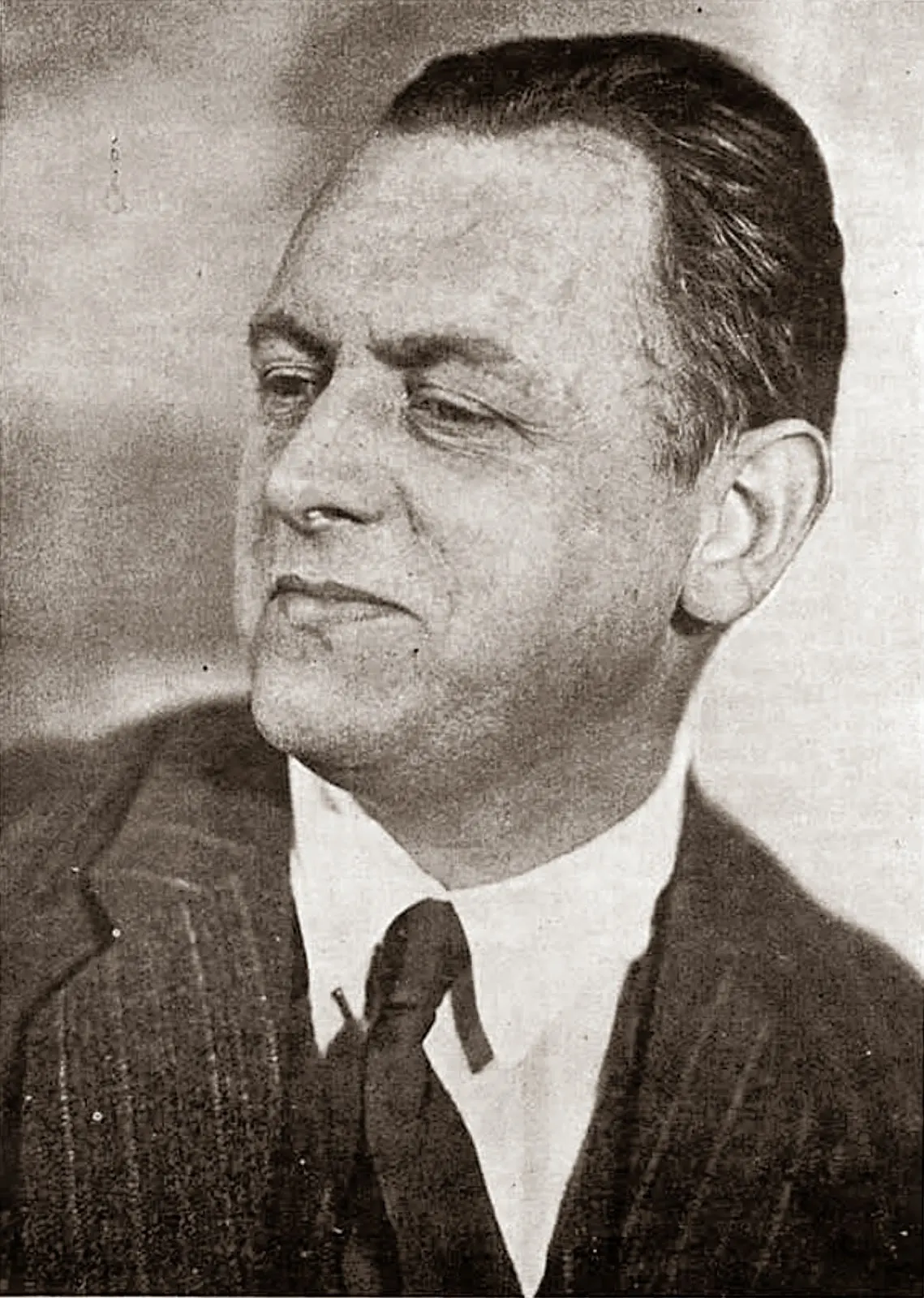
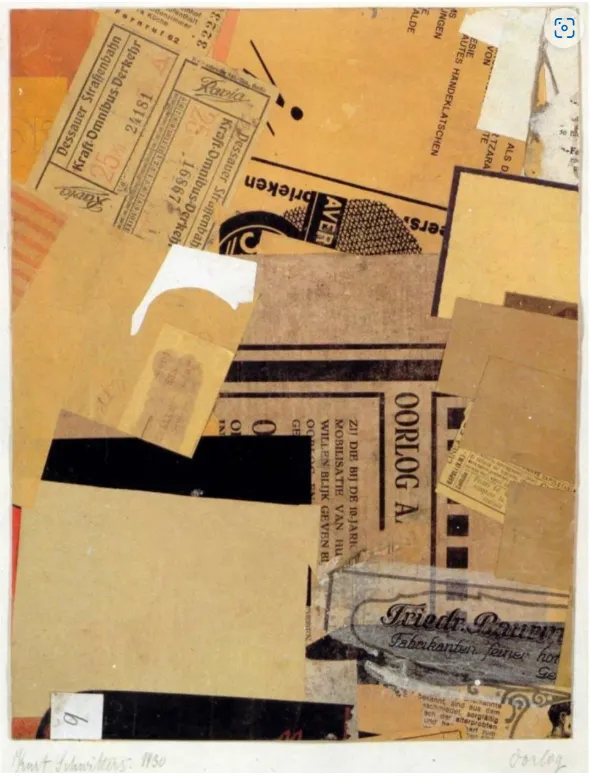
Kurt Schwitters (1887–1948) was a German artist renowned for his innovative use of collage and assemblage, which he termed "Merz"—a concept derived from the German word "Kommerz" (commerce). Operating at the intersection of Dadaism, Constructivism, and Surrealism, Schwitters transformed everyday materials—such as newspaper clippings, tickets, and found objects—into dynamic compositions that challenged traditional art forms .
Beyond visual art, Schwitters was a prolific writer and poet, known for his sound poem Ursonate and the poem An Anna Blume, which exemplify his experimental approach to language and form. His most ambitious project, the Merzbau, was an evolving architectural installation that blurred the lines between sculpture, architecture, and collage.
Fleeing Nazi Germany in 1937 due to the regime's condemnation of his work as "degenerate," Schwitters lived in Norway before settling in England. Despite facing internment during World War II, he continued to create, leaving a lasting impact on the trajectory of modern art .